

Originally published 15 July 2014. Updated October 2026.
When Boeing unveiled its plans for the 777X cabin at the Farnborough Airshow in July 2014, it promised a more spacious, quieter and more comfortable passenger experience, drawing on innovations introduced with the 787 Dreamliner.
The manufacturer outlined larger windows, higher humidity, improved lighting and greater flexibility for airlines to customise their cabins.
More than 12 years later, the 777X is still awaiting its commercial debut. Originally scheduled for delivery in 2020, the aircraft is now expected to enter service no earlier than 2027.
Despite the delays, the original cabin design provides a useful guide to what passengers can expect when the first Boeing 777-9 aircraft enter airline service.
What makes the Boeing 777X cabin different?
Boeing’s original 777X cabin announcement outlined several improvements intended to make long-haul travel more comfortable.
The aircraft combines the established 777 fuselage design with passenger comfort features developed for the 787 Dreamliner.
Among the most significant are larger windows, lower cabin altitude, increased humidity, improved air filtration and reduced noise.
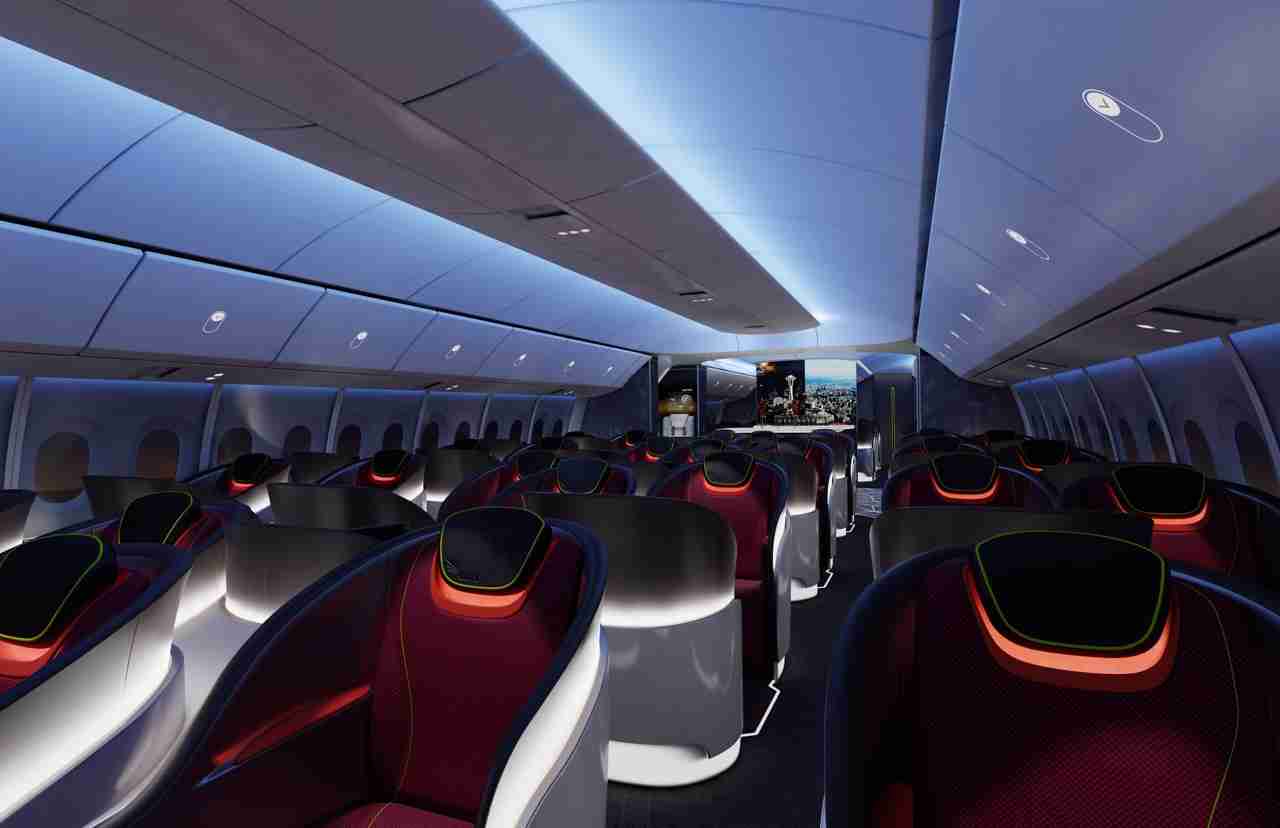
Boeing also designed the interior to give airlines greater flexibility in configuring overhead bins, ceilings and individual cabin sections.
These features establish the aircraft’s basic passenger environment. However, the seats, entertainment systems and other cabin amenities will depend on each airline’s chosen configuration.
Larger windows and improved cabin lighting
One of Boeing’s most prominent 777X design features is its larger passenger windows.
In 2014, the manufacturer said the windows would be more than 15% larger than those on competing aircraft.
Their higher position on the fuselage was intended to improve outside views for more passengers, while admitting additional natural light.
The cabin design also incorporates next-generation LED lighting, allowing airlines to adjust the atmosphere during different phases of a flight.
Airlines can use lighting to support boarding, meal services and rest periods, as well as reinforce their individual cabin branding.
Lower cabin altitude and higher humidity
The 777X was designed to provide a cabin altitude of approximately 6,000 feet, comparable to the 787 Dreamliner.
Cabin altitude describes the equivalent atmospheric pressure experienced by passengers inside a pressurised aircraft.
A lower cabin altitude can help reduce some of the discomfort associated with long flights, although individual responses vary.
Boeing also specified higher cabin humidity and improved air filtration for the 777X.
These features draw on the manufacturer’s experience with the 787 Dreamliner cabin, where lower cabin altitude and increased humidity were important elements of the passenger comfort strategy.
How wide are Boeing 777X economy seats?
Cabin width is another important part of the 777X design.
In its original announcement, Boeing said the cabin would be 16 inches wider than competing aircraft, allowing airlines to offer economy-class seats measuring up to 18 inches wide.
That does not mean every 777X passenger will receive an 18-inch seat.
Actual seat width depends on the airline’s seating arrangement, seat manufacturer and cabin configuration.
Airlines can use the available space to prioritise wider seats, additional aisle room or higher passenger capacity.
For travellers, the most useful information will therefore be the seating configuration selected by their airline, rather than the aircraft manufacturer’s maximum potential seat width.
A quieter cabin for long-haul flights
Boeing also identified noise reduction as a priority for the 777X.
Its original plans included improved insulation, new engine nacelle designs and changes to cabin ventilation.
The manufacturer said the passenger cabin would have twice as many air nozzles, allowing air to be distributed at lower velocity with less noise.
Reducing cabin noise is particularly important on long-haul flights, where passengers may spend many hours trying to sleep or work.
The actual onboard experience will become clearer once airlines begin operating the aircraft commercially.
How airlines can customise the 777X interior
The 777X was designed to accommodate different cabin layouts and airline requirements.
Boeing’s original concept included adaptable ceiling panels, overhead stowage configurations and other interior components intended to help airlines create distinct passenger environments.
This flexibility matters because airlines have different commercial priorities.
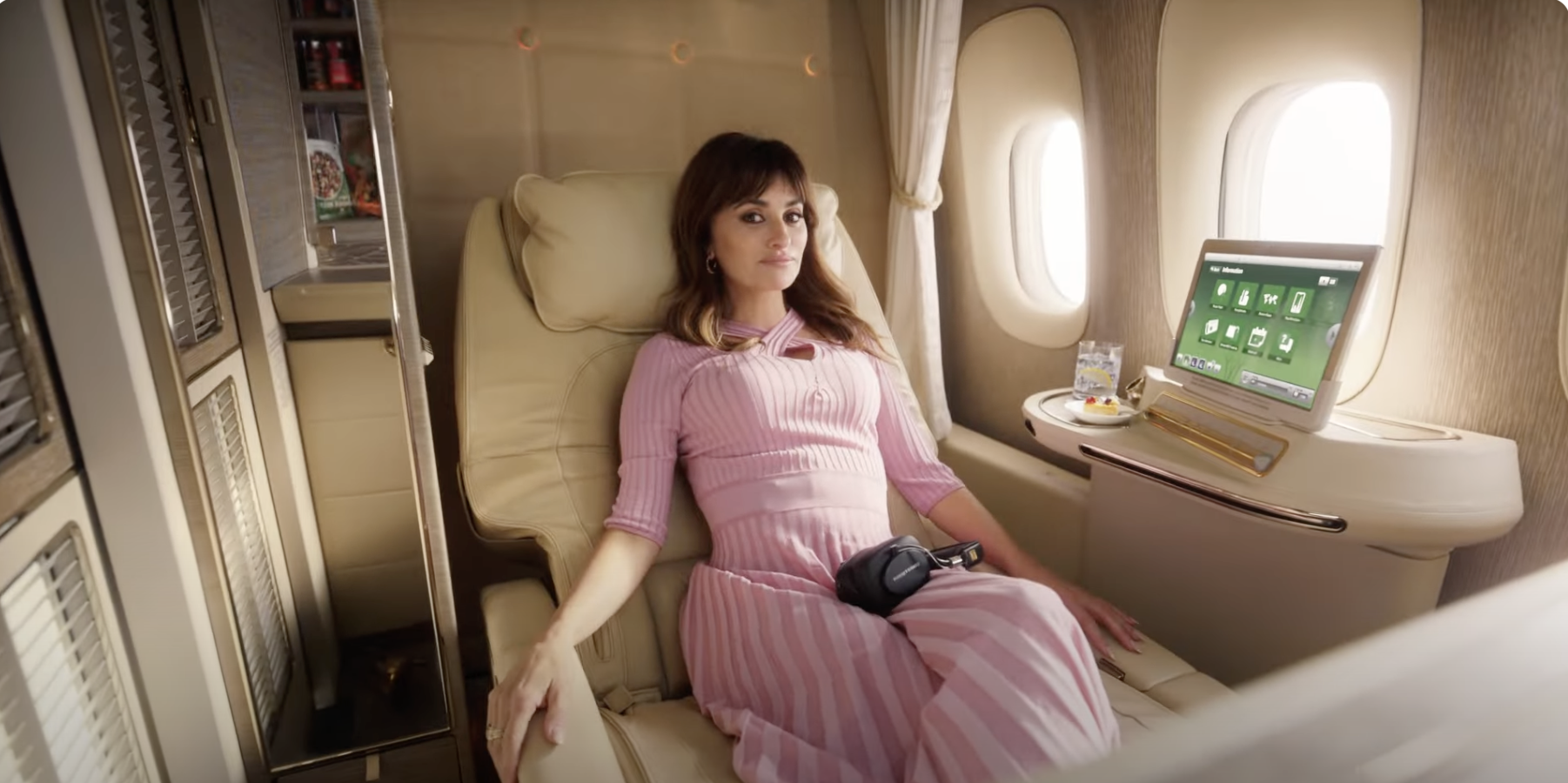
Some may dedicate substantial space to premium cabins and private suites. Others may focus on carrying more passengers while retaining competitive business-class and premium-economy products.
Consequently, passengers should not expect every Boeing 777X to have the same interior.
The aircraft provides the underlying cabin architecture, but airlines determine much of the finished passenger experience.
Why has the Boeing 777X taken so long to enter service?
When Boeing presented the 777X cabin in July 2014, it expected to begin production in 2017 and deliver the first aircraft in 2020.
The programme has since experienced repeated delays involving development, testing and certification.
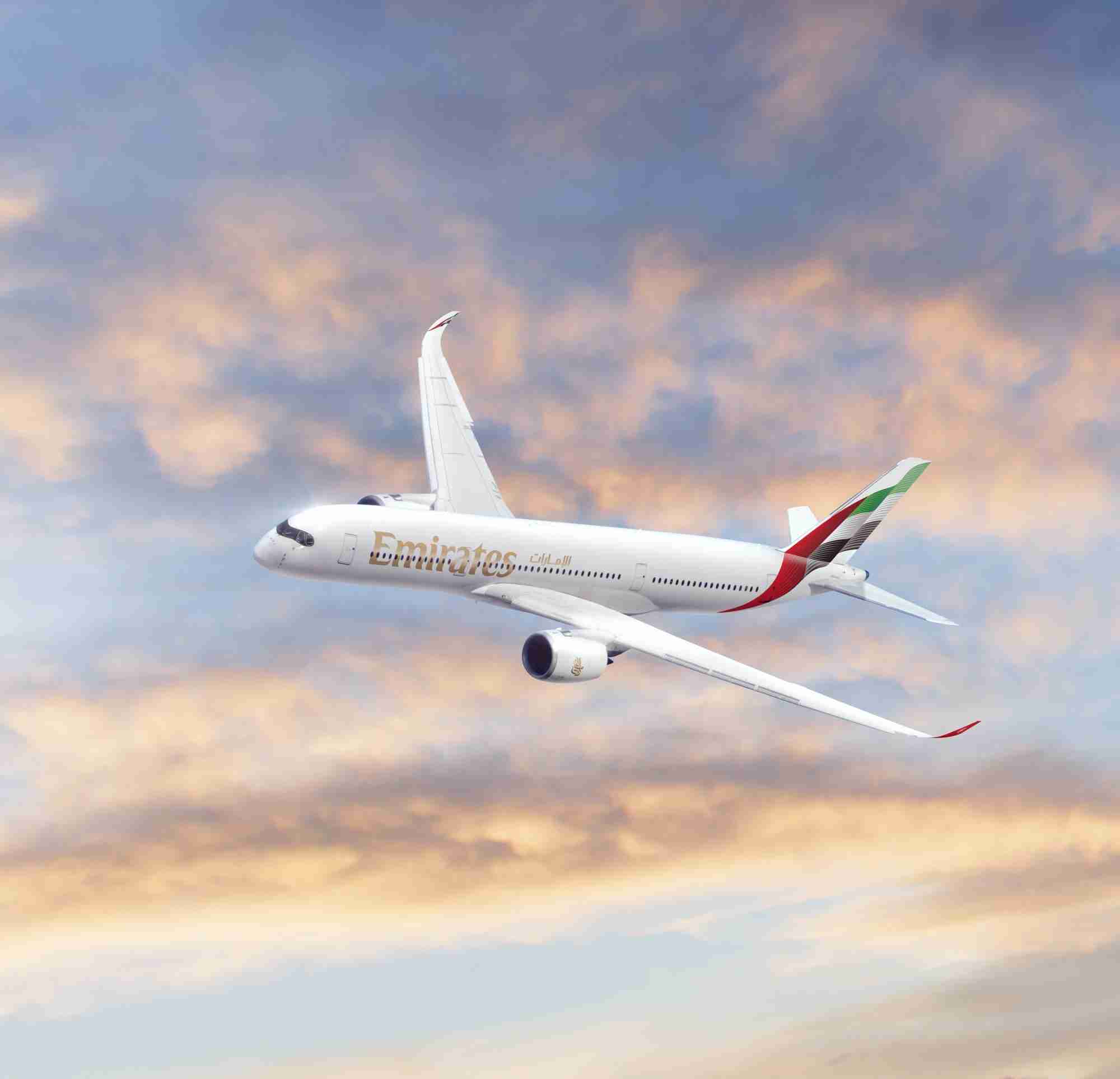
In October 2025, Boeing pushed its first delivery target to 2027, recognising a further charge of nearly $5 billion against the programme.
The revised timetable means passengers have waited considerably longer than originally expected to experience the aircraft.
The 777-9 must complete its certification requirements before airlines can begin commercial passenger operations. Delivery targets remain subject to that process.
What will the Boeing 777X cabin look like when it enters service?
The original 2014 renderings illustrated Boeing’s ambition to create a bright, spacious cabin with improved passenger comfort.
Many of the design principles remain relevant: larger windows, better lighting, lower cabin altitude and greater flexibility for airline interiors.
However, the final appearance of each cabin will depend on the airline operating the aircraft.
For passengers, the biggest differences may be found in the seats and amenities chosen by individual carriers.
The 777X’s eventual introduction will provide an opportunity to assess how closely Boeing’s original cabin ambitions translate into the passenger experience.
Until then, the manufacturer’s early designs remain an interesting record of how Boeing intended to develop the successful 777 family for a new generation of long-haul travel.


Pingback: The Bird is the Word: Boeing Explains 777X Aerodynamic Edge on ‘The Wing is the Thing’ Video | Flight Chic